Illustrated Rebuilding of a L67 from a L36
Posted: Sat May 24, 2008 10:01 am
Originally Posted: Dec 31, 2006
Figured I would document this process for anyone who might be interested.
I'm starting with a 1996 Series II 3800 from a Pontiac Firebird (RPO Code L36). Purchased for $100. I'm not getting into the rational of why this is being done (please, none of the usual "you should go out and buy a L67.." stuff.) My intended purpose is to show anyone who may be interested what is actually inside the motor and how to take it apart and reassemble it, with some selective part substitution along to way to reconfigure it to a supercharged motor.
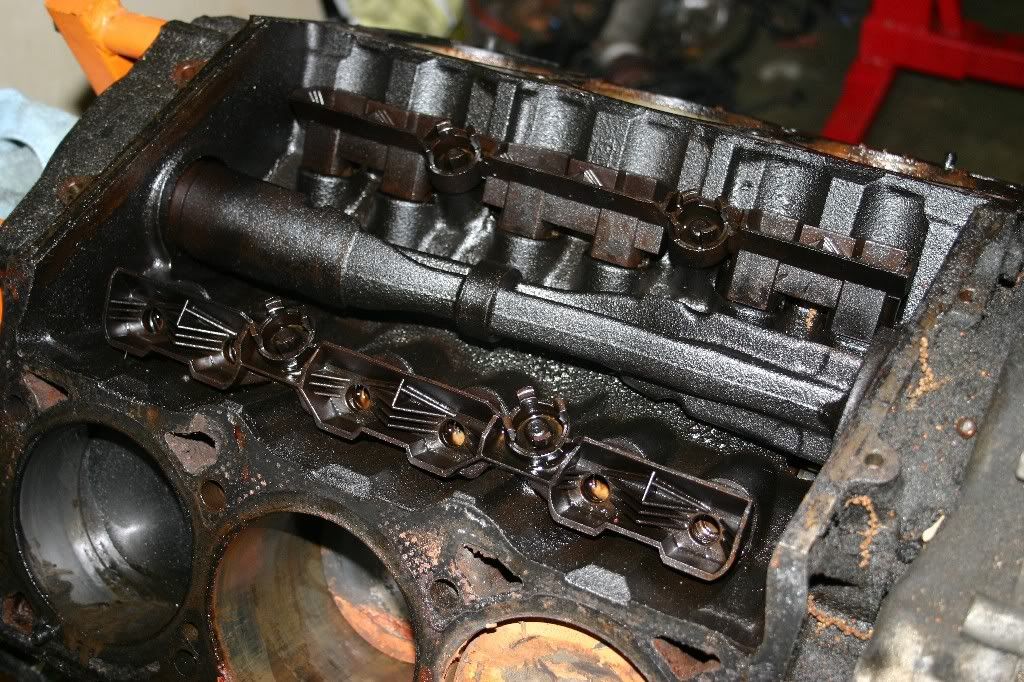
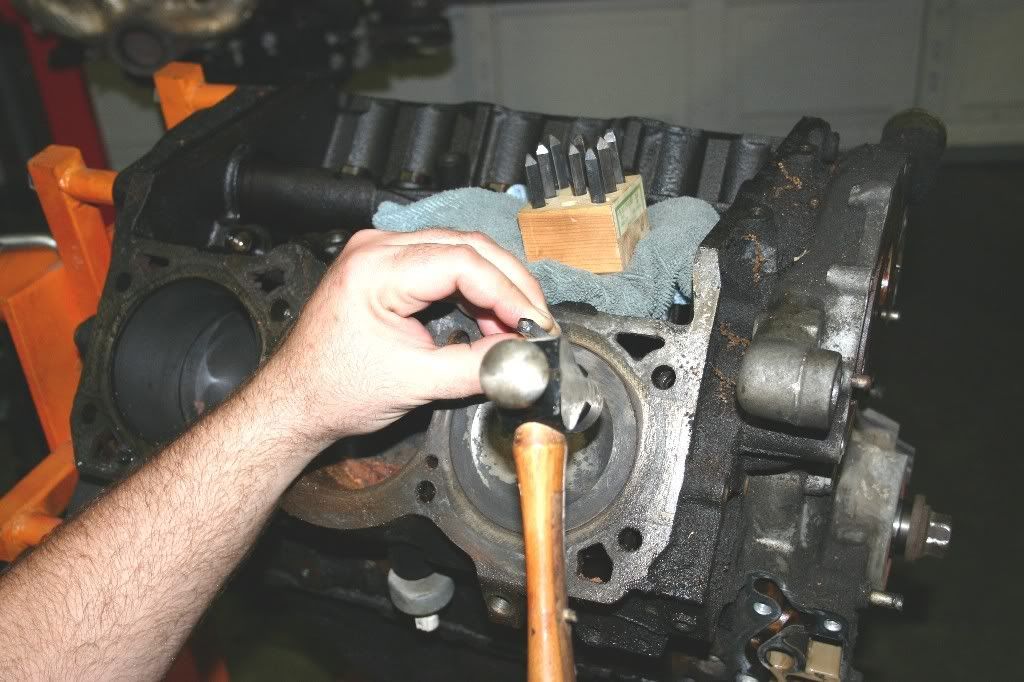
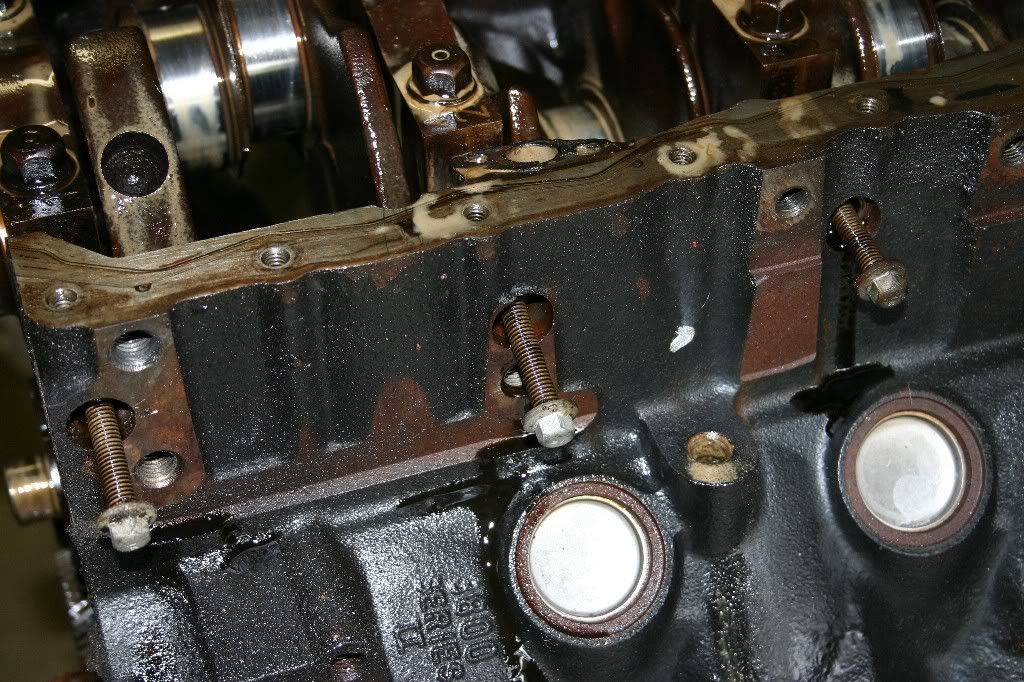
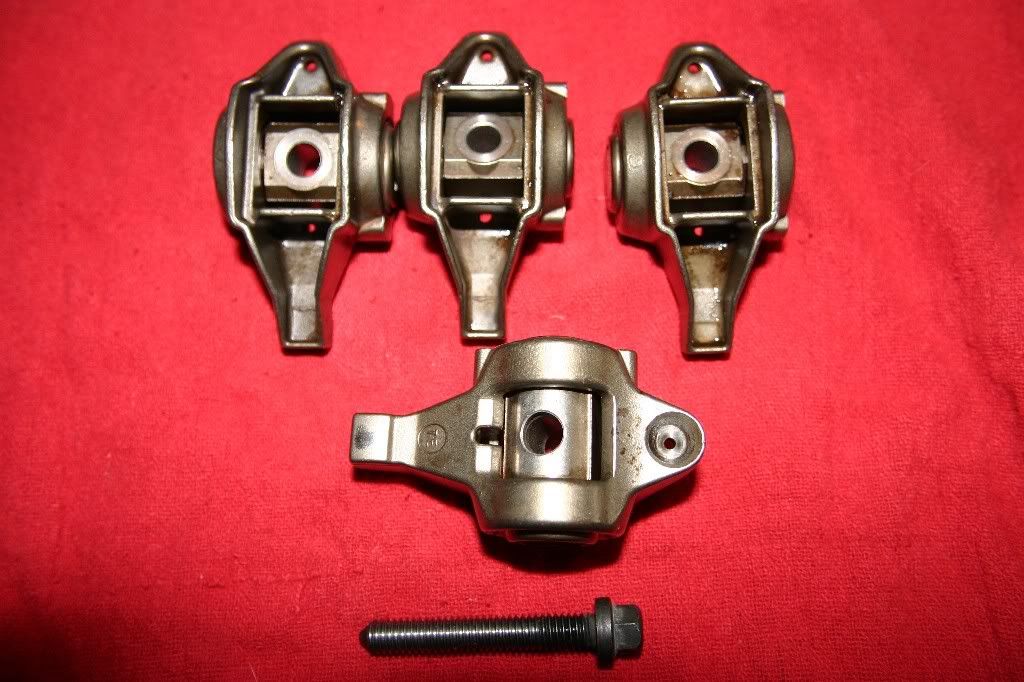
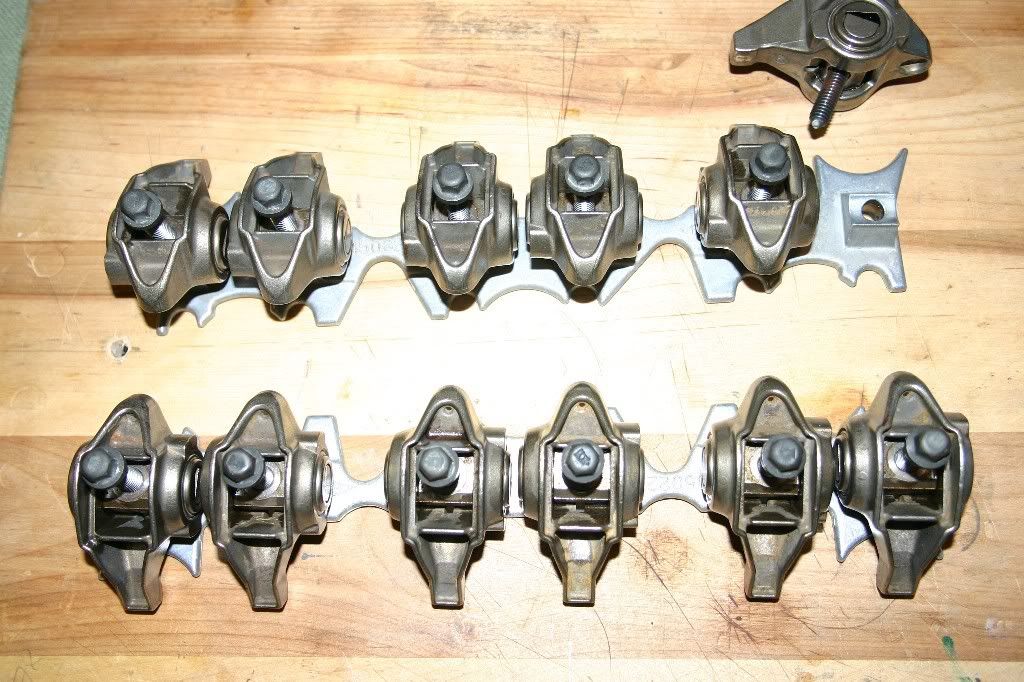
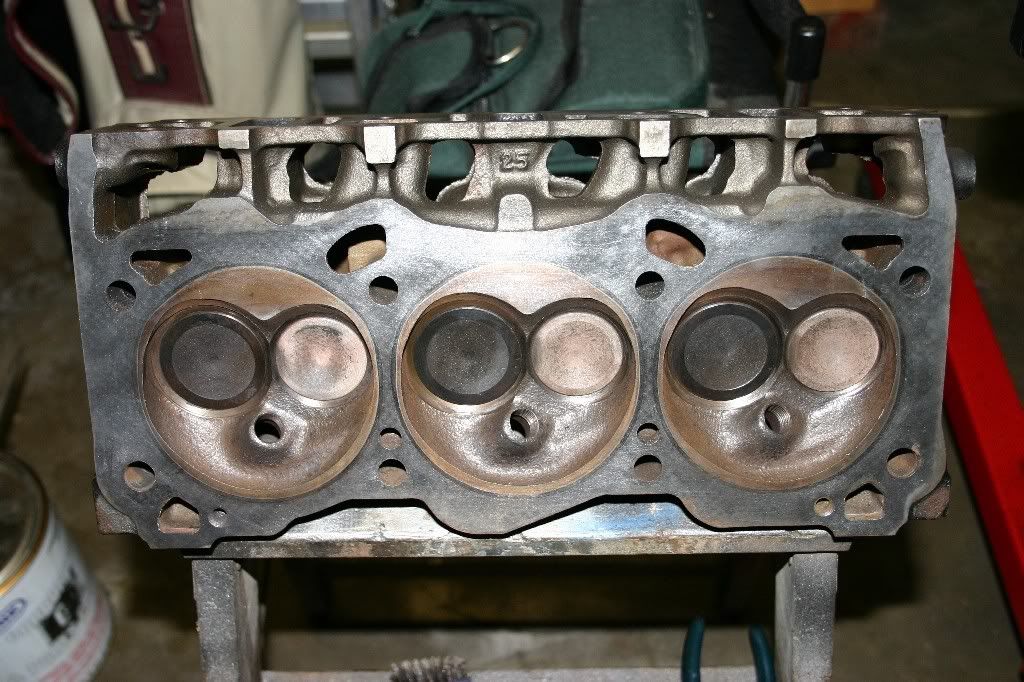
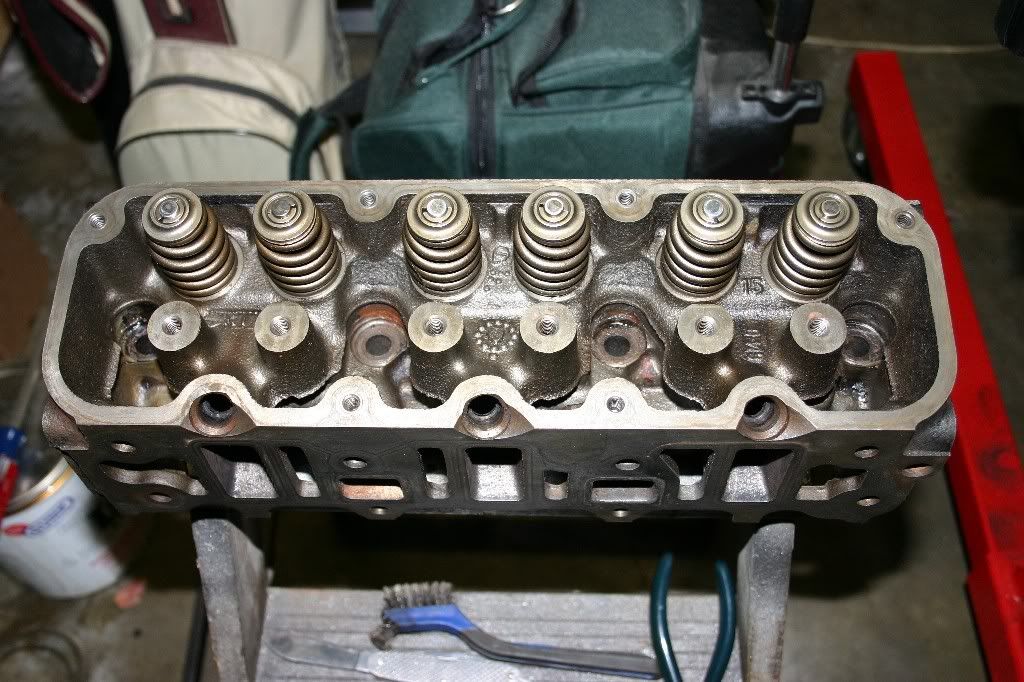
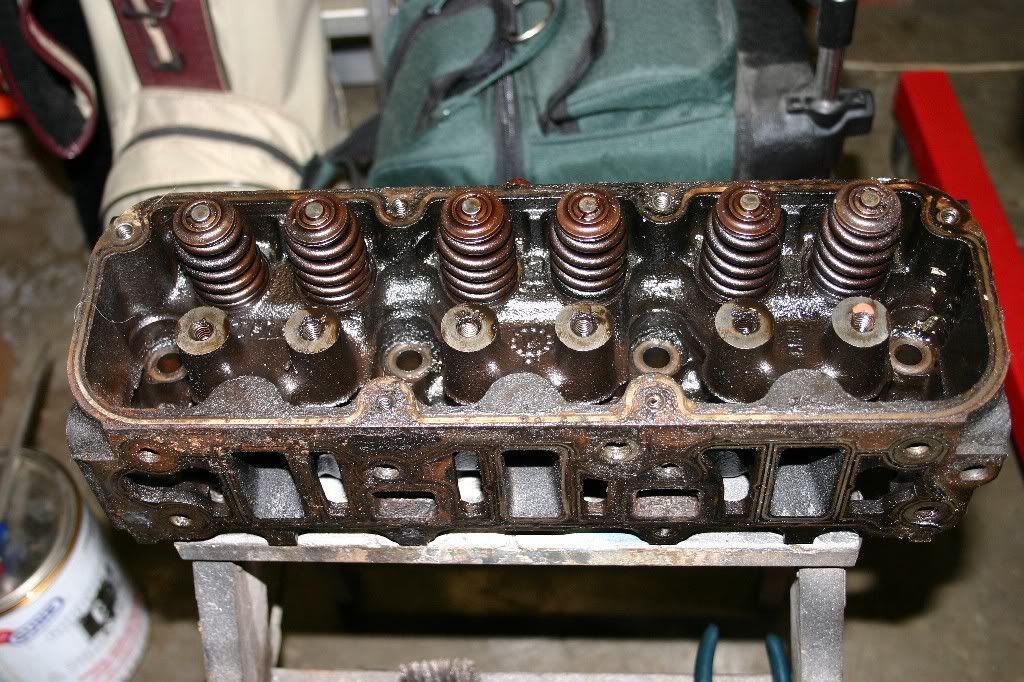
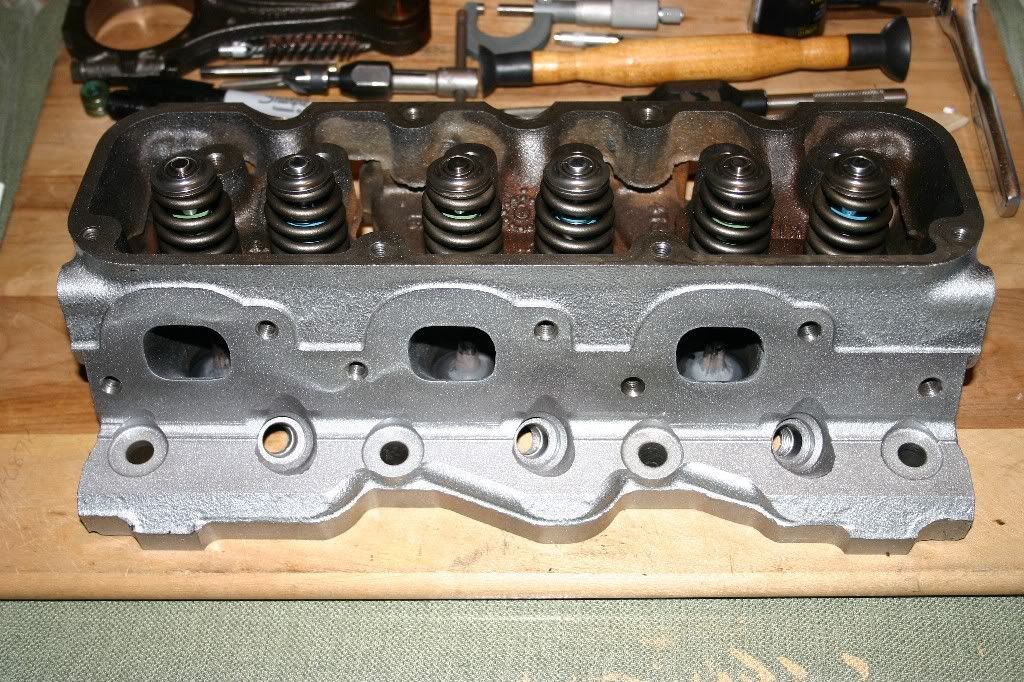
So, here's day one: The motor was partially disassembled when it was picked up, so there's not a lot to show taking off the intake manifold. The heads are easily removed, a 9mm socket is used to remove the rocker arms, while a 9/16th socket is used to remove the main cylinder head bolts. There are only two lengths..8 short bolts along the flange on the outside of the motor (4 per side) and 8 long bolts inside the valve cover area (again, 4 on each side.) I'll cover the cylinder heads in a little bit.
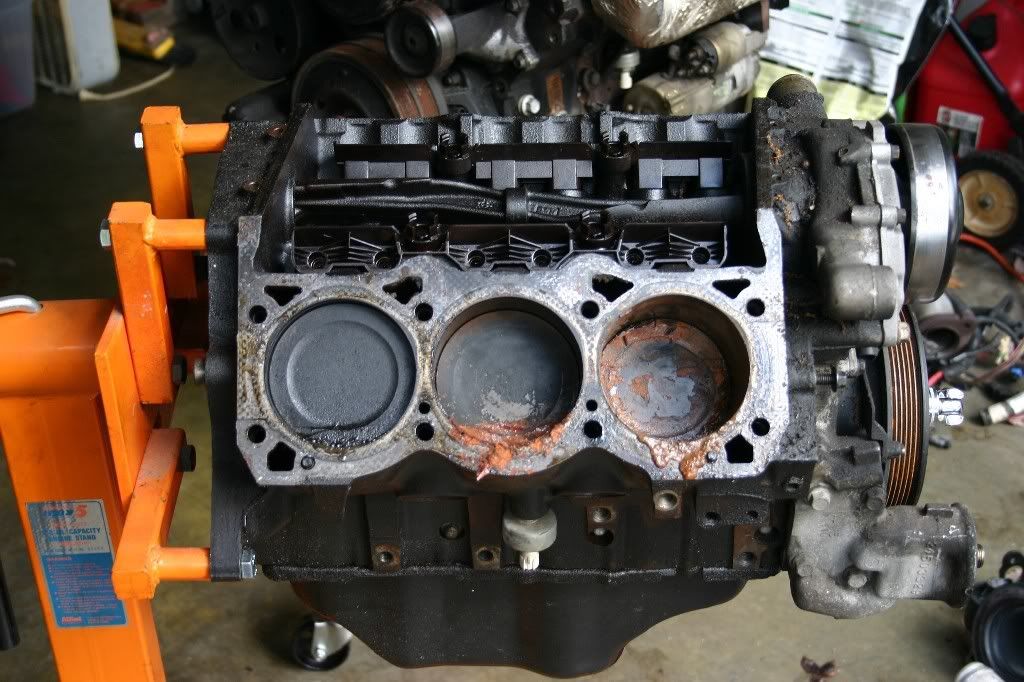
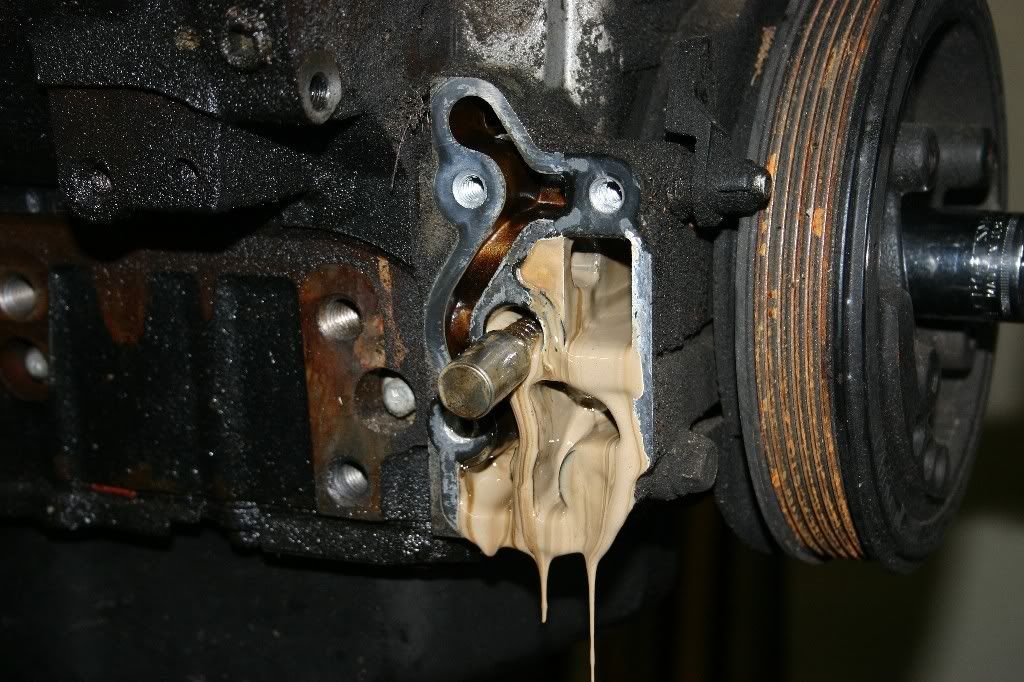
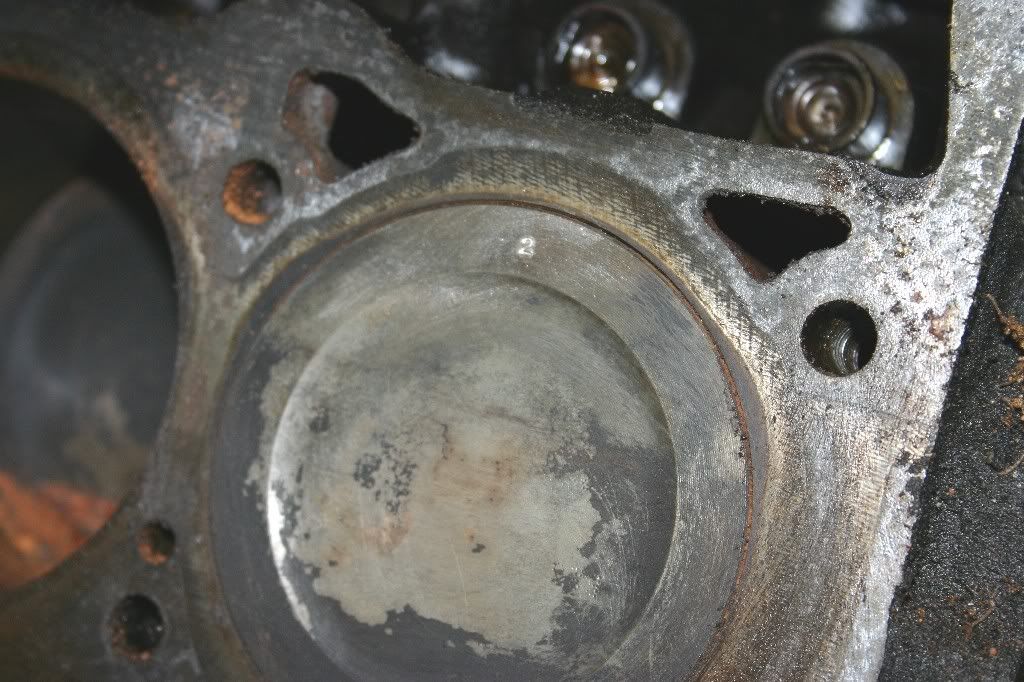
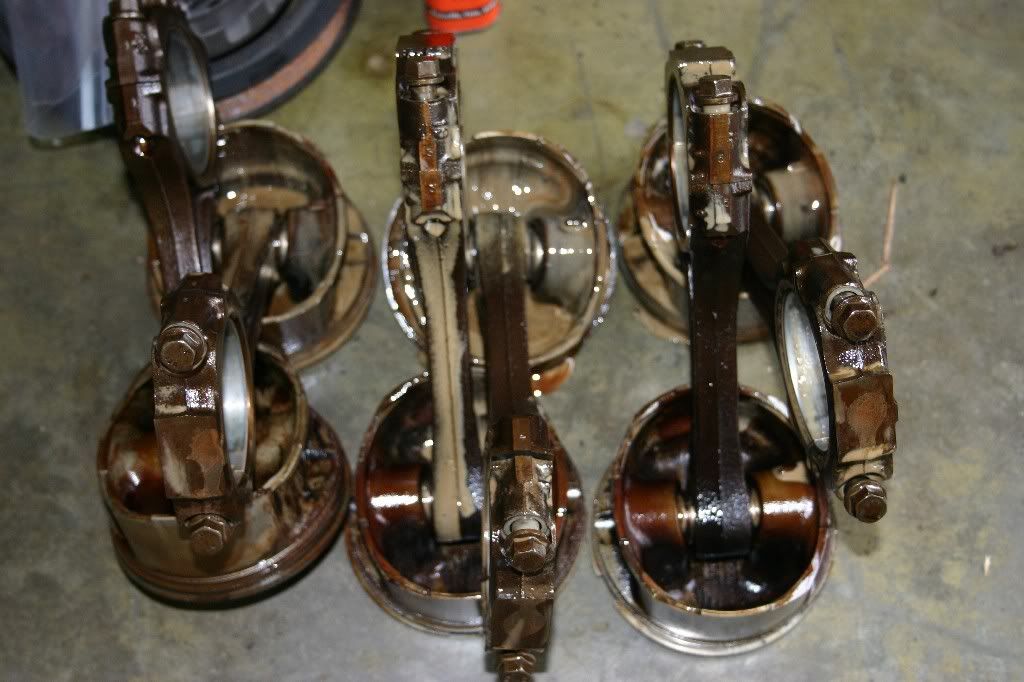
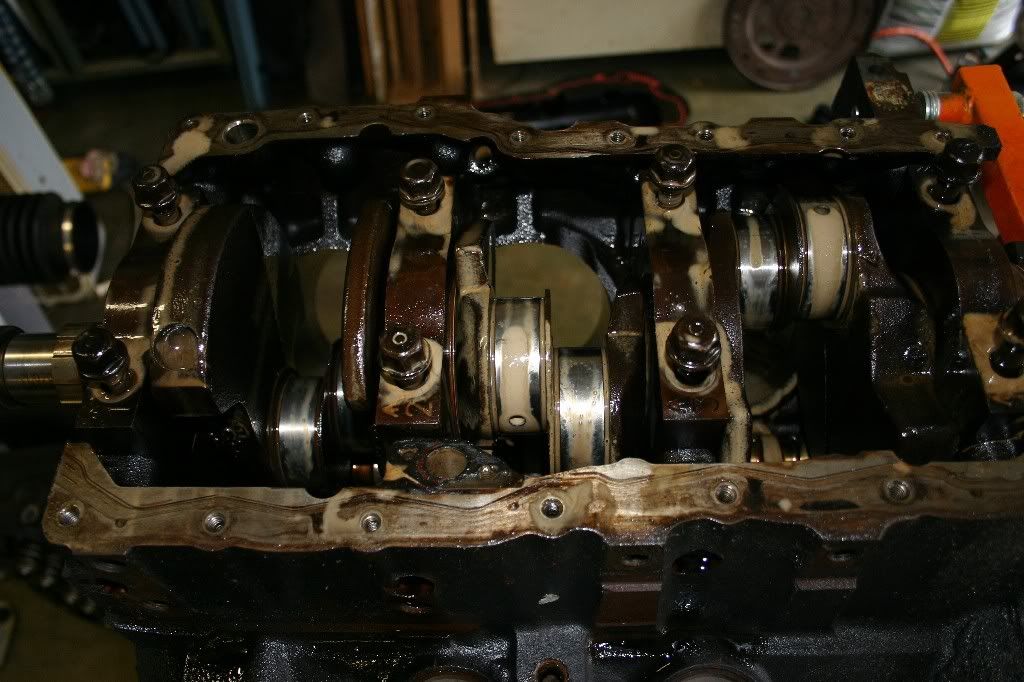
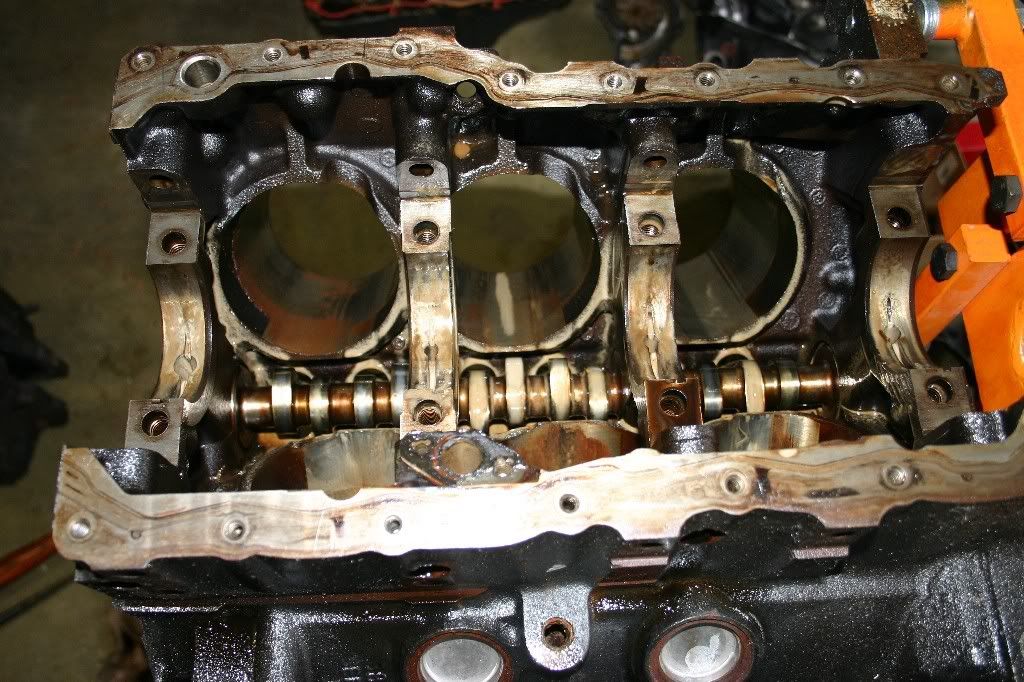
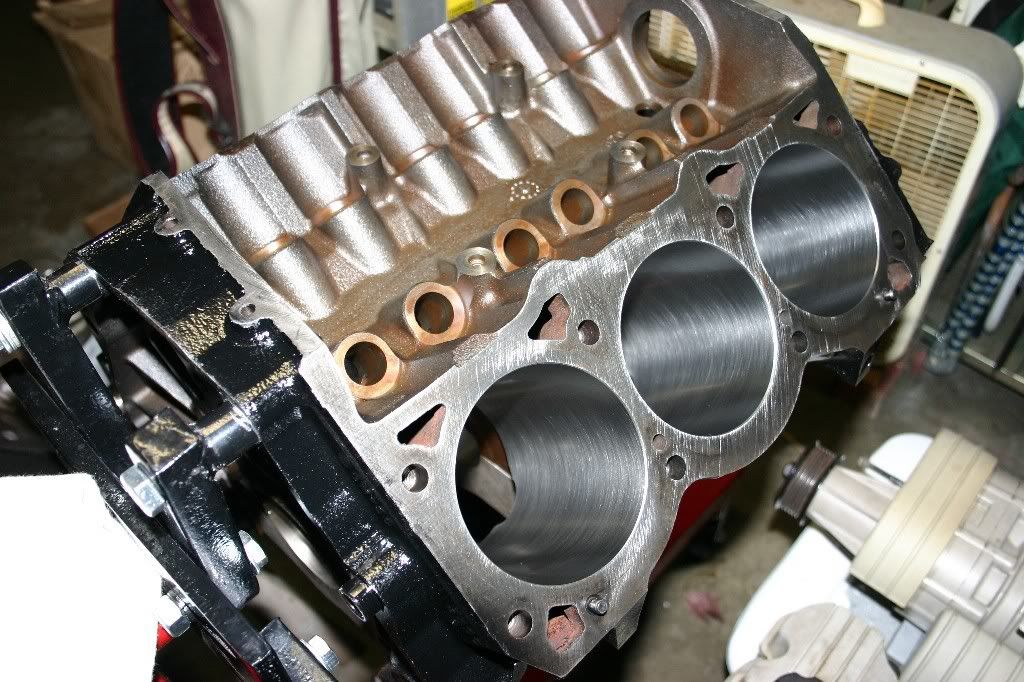
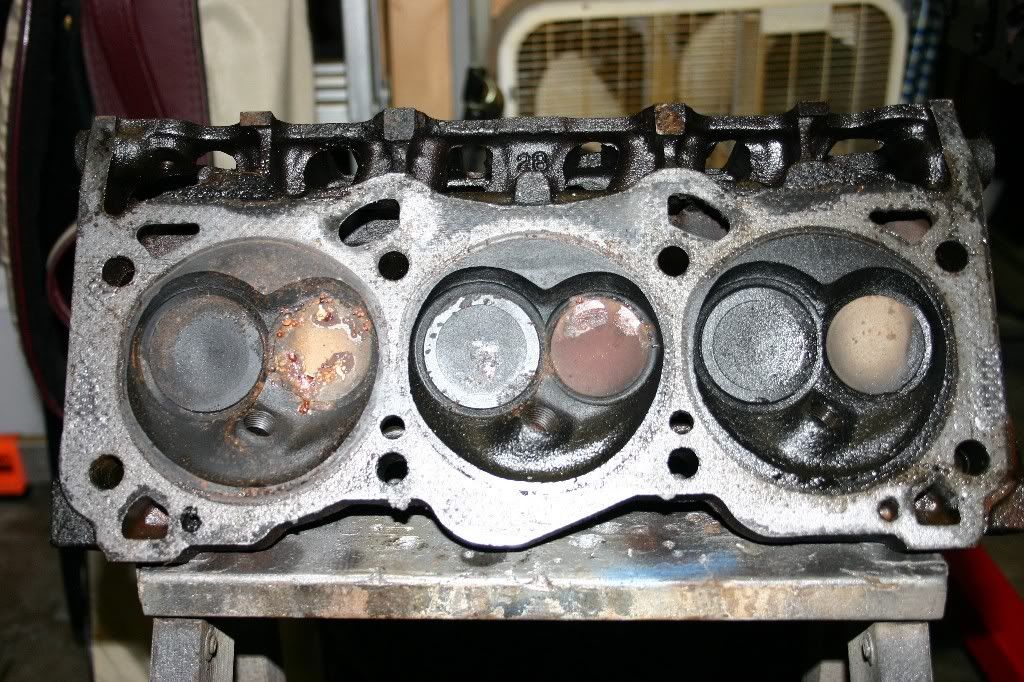
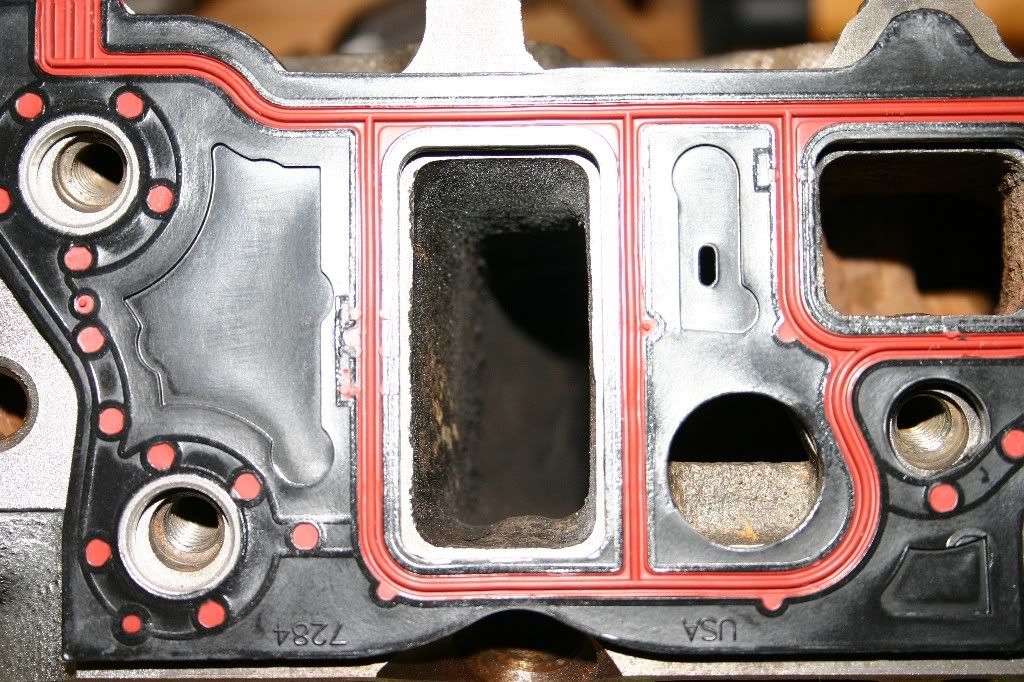
On this motor, the previous owner had loosened the head bolts before draining the coolant. The end result is the orange sludge showing inside cylinders 2 and 4 in the photo. While a dumb thing to do, it could have been worse. Had it been water left in the bores, it would have destroyed the cylinder walls and required an immediate overbore and larger pistons.
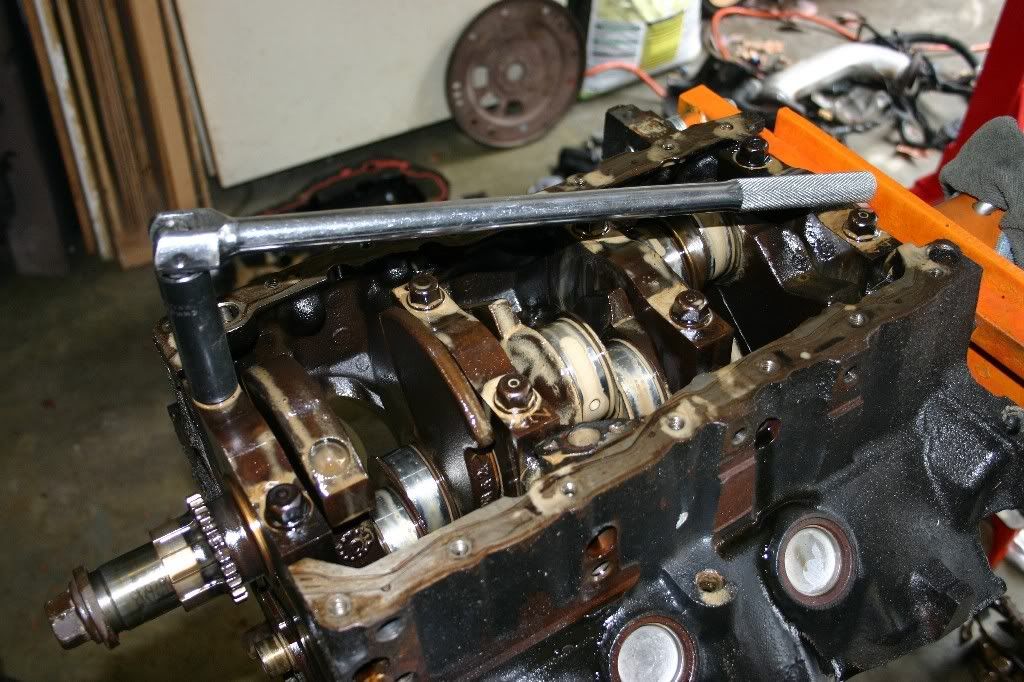
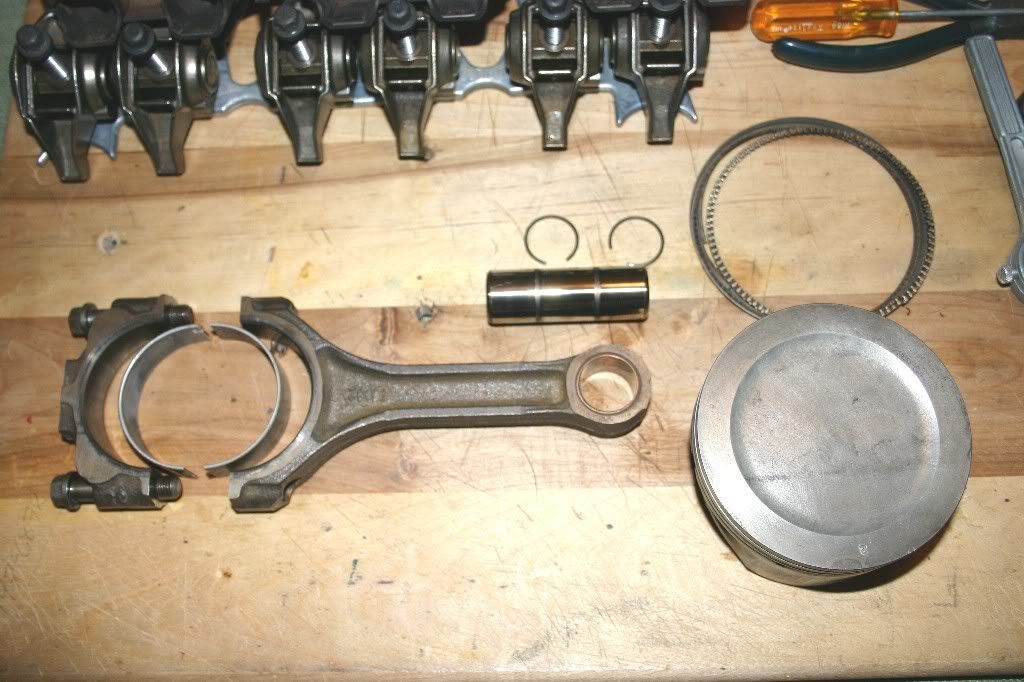
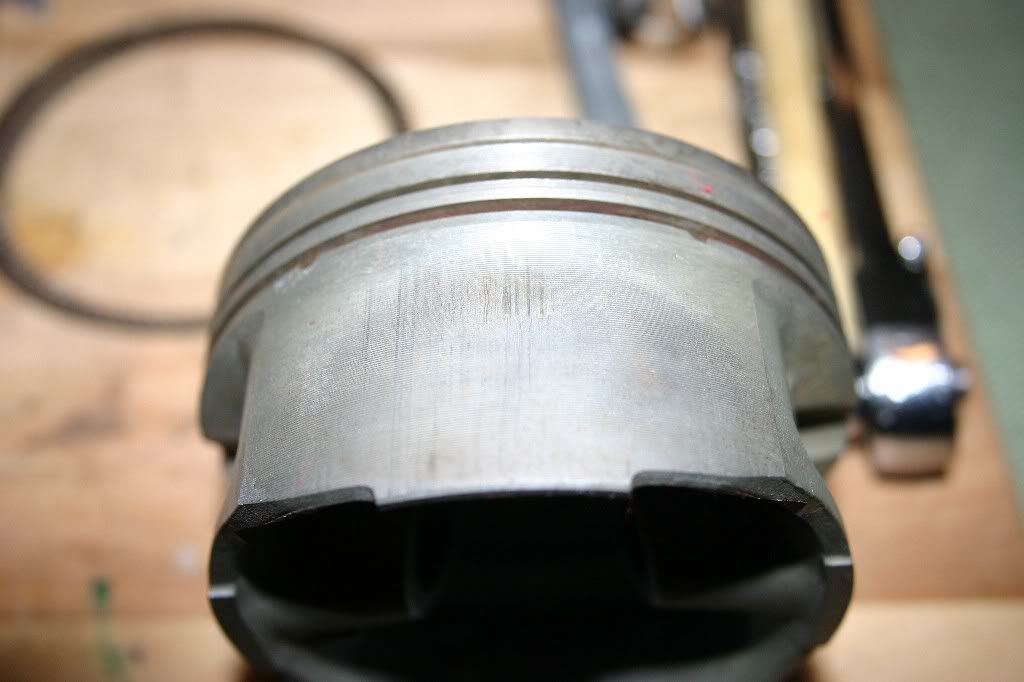
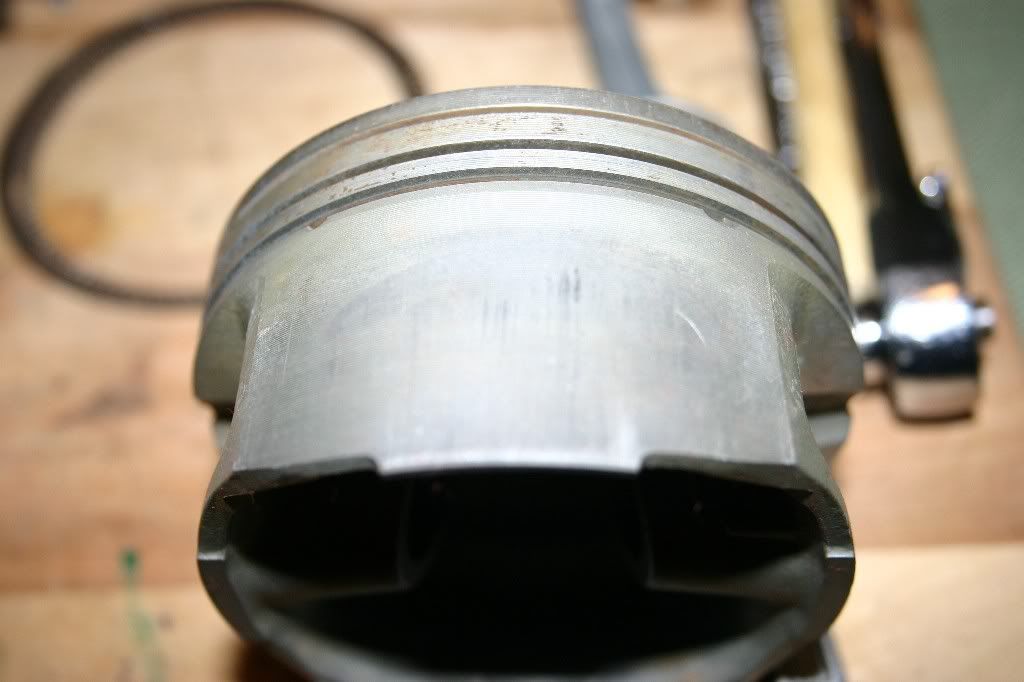
As it is, this motor will need to be disassembled to remove the rods and pistons and will probably need to have a new set of piston rings fitted at minimum.
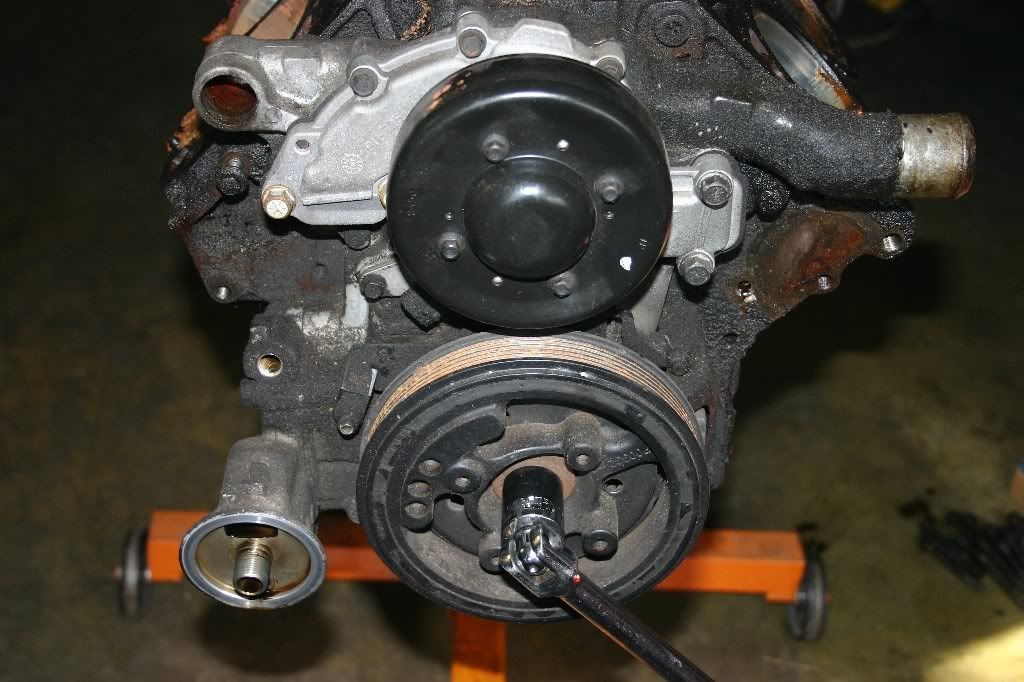
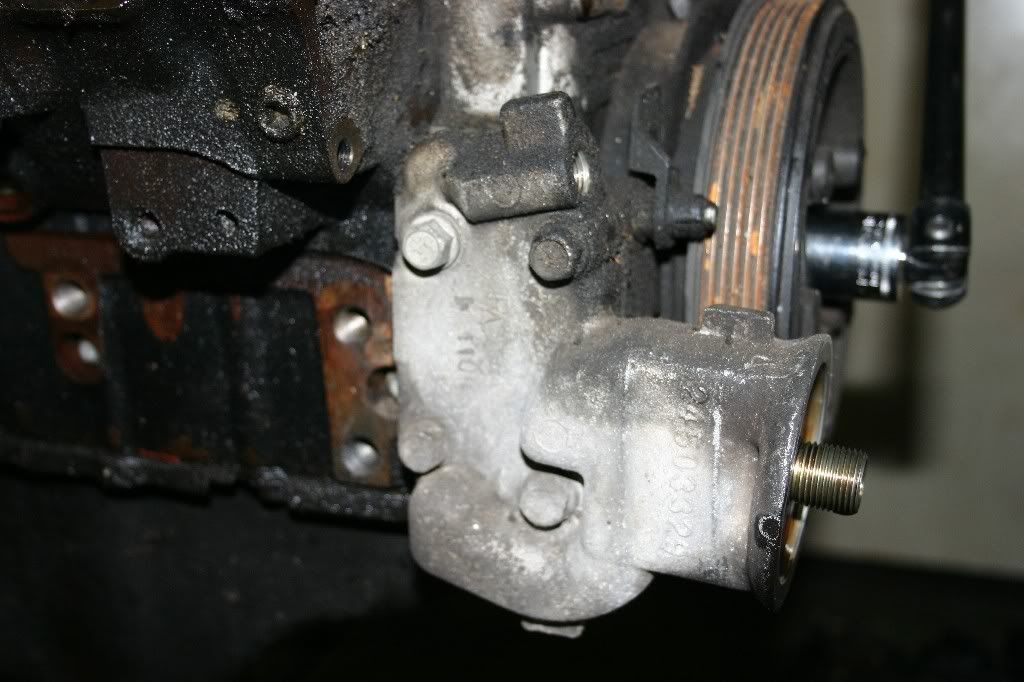
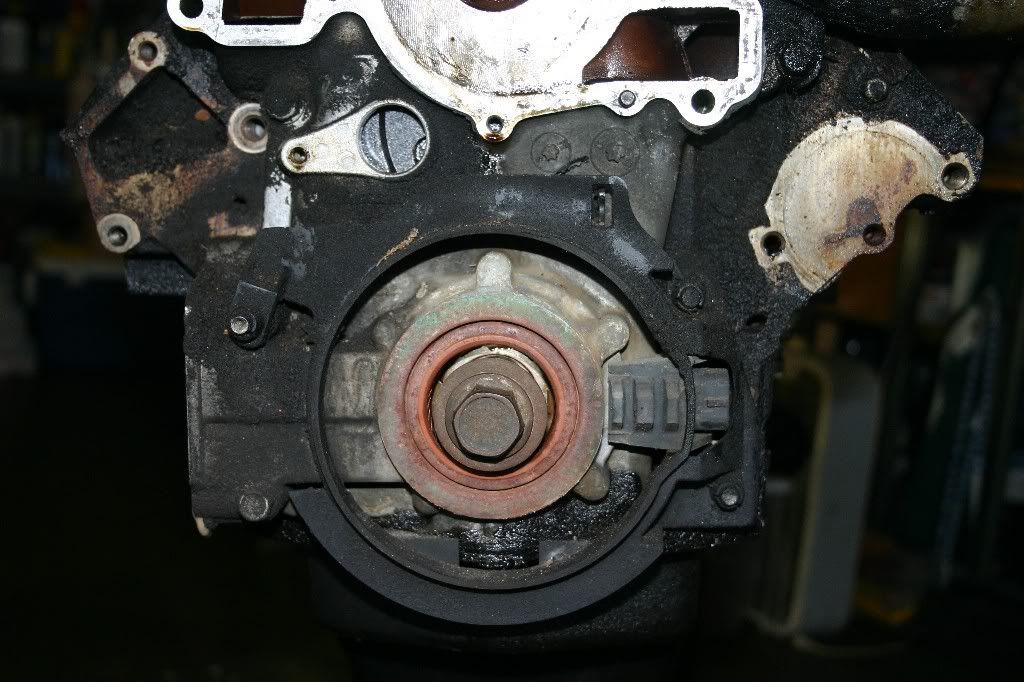
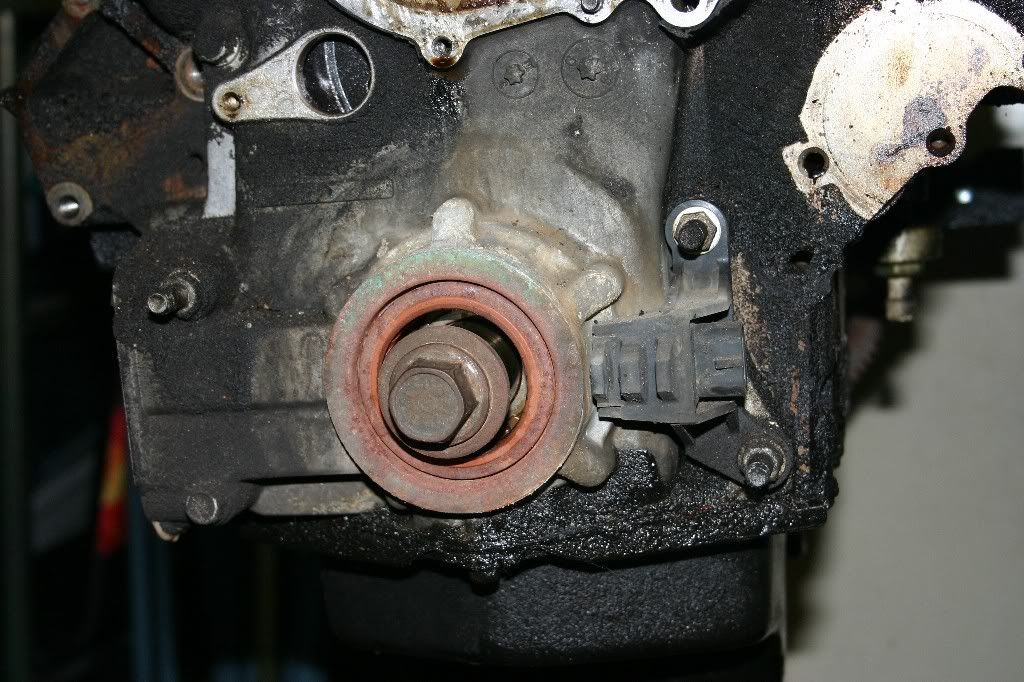
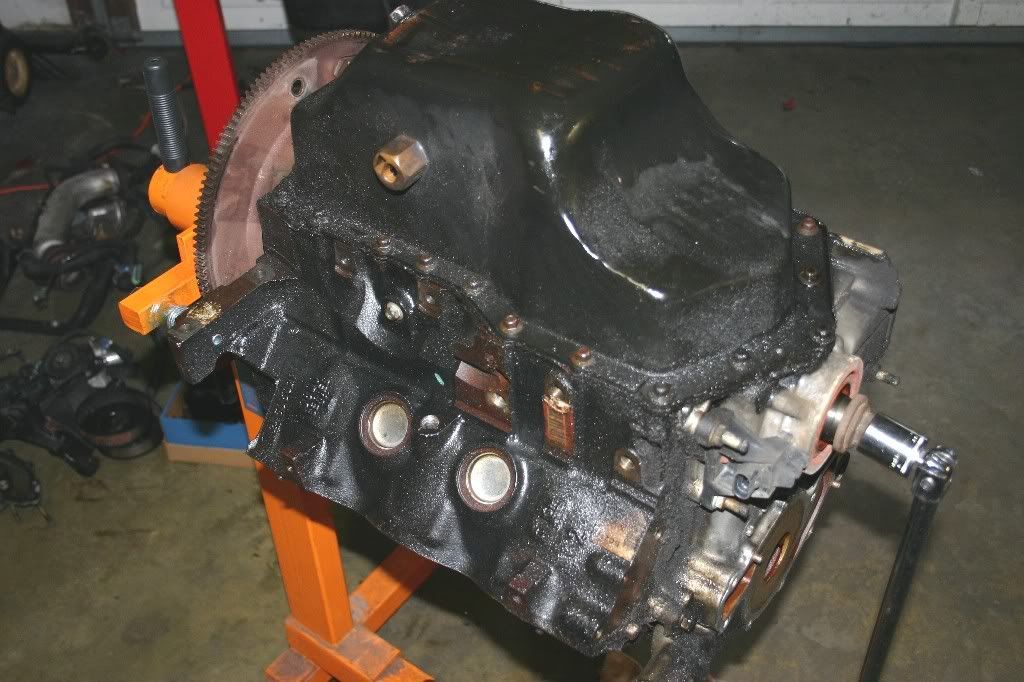
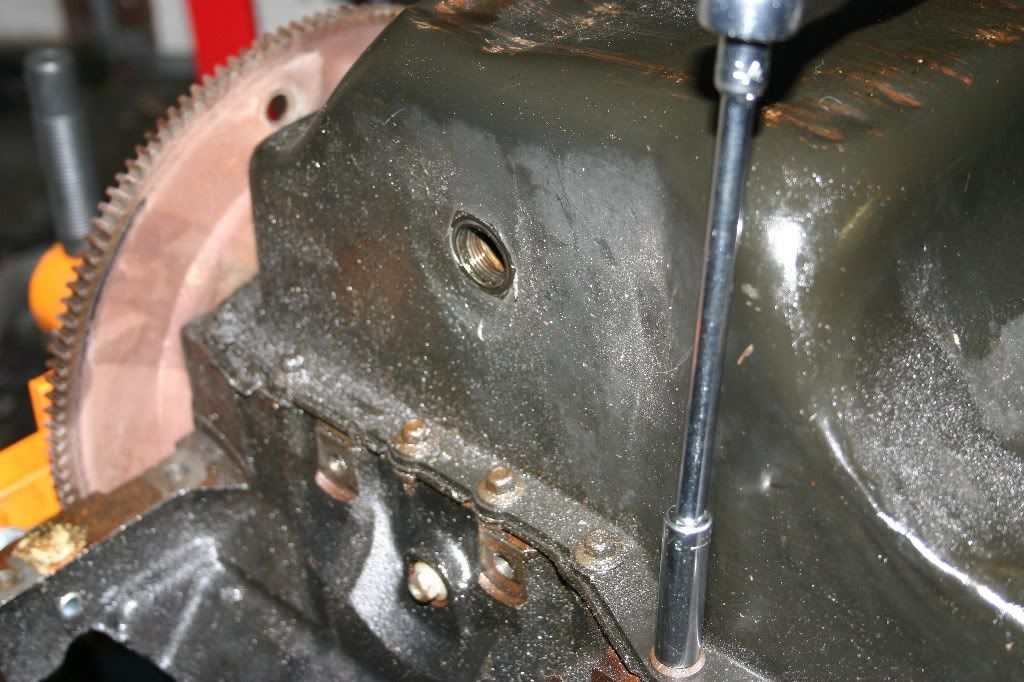
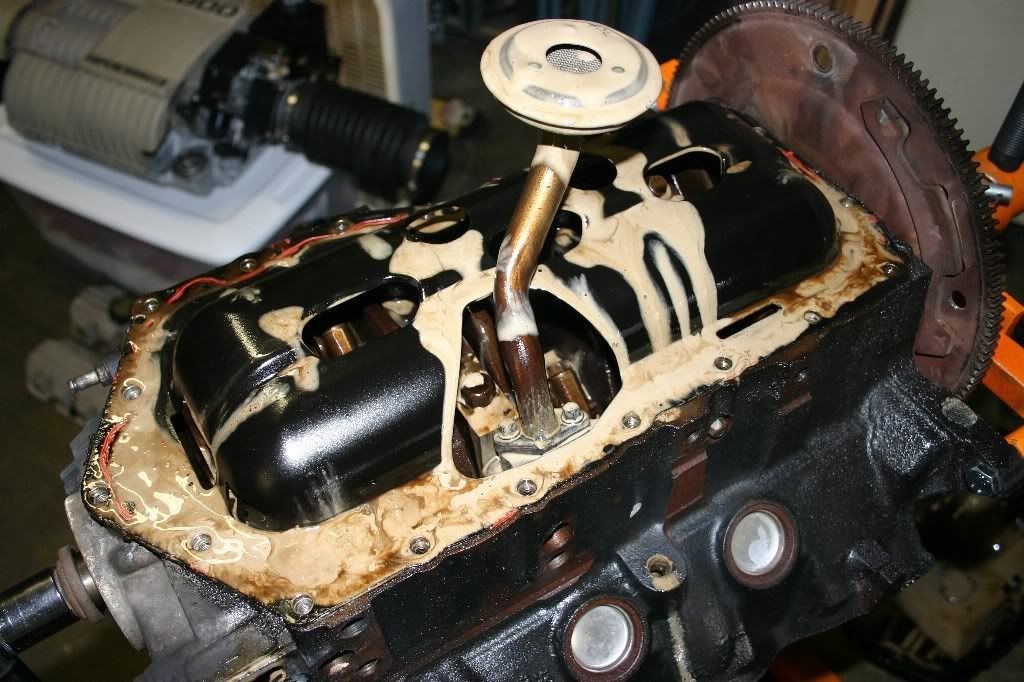
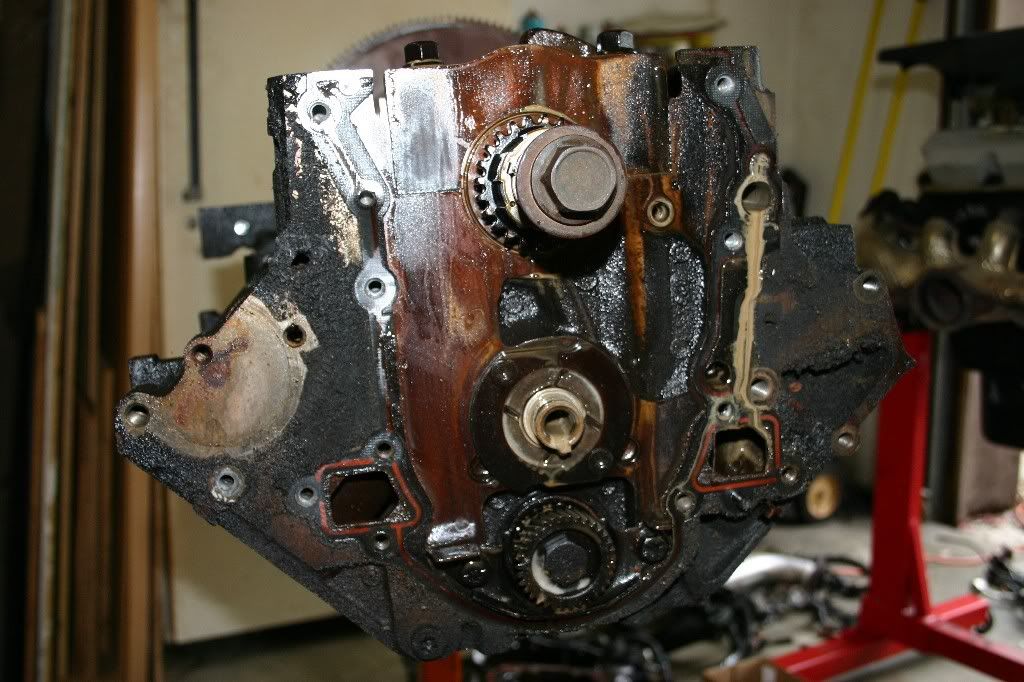
Some differences between the RWD and FWD motors are evident as well. Note the position of the oil filter boss. That will need to be removed and replaced with one from a FWD 3800. Also note the oil pan shape, it has relief areas pressed into it for the F-Body K-Member and exhaust manifold Y-pipe.
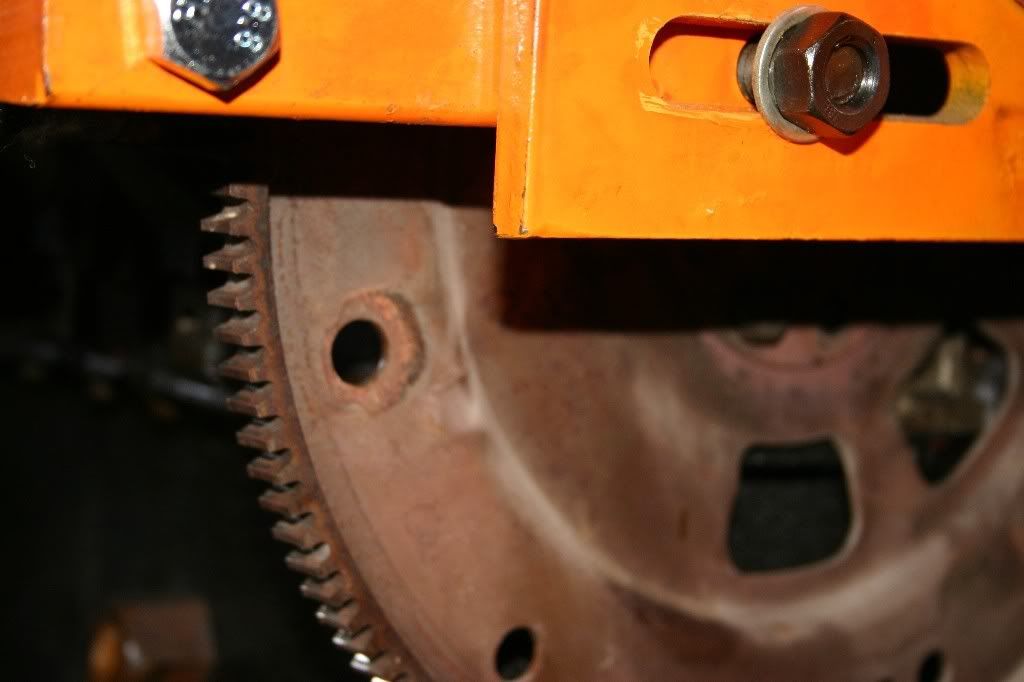
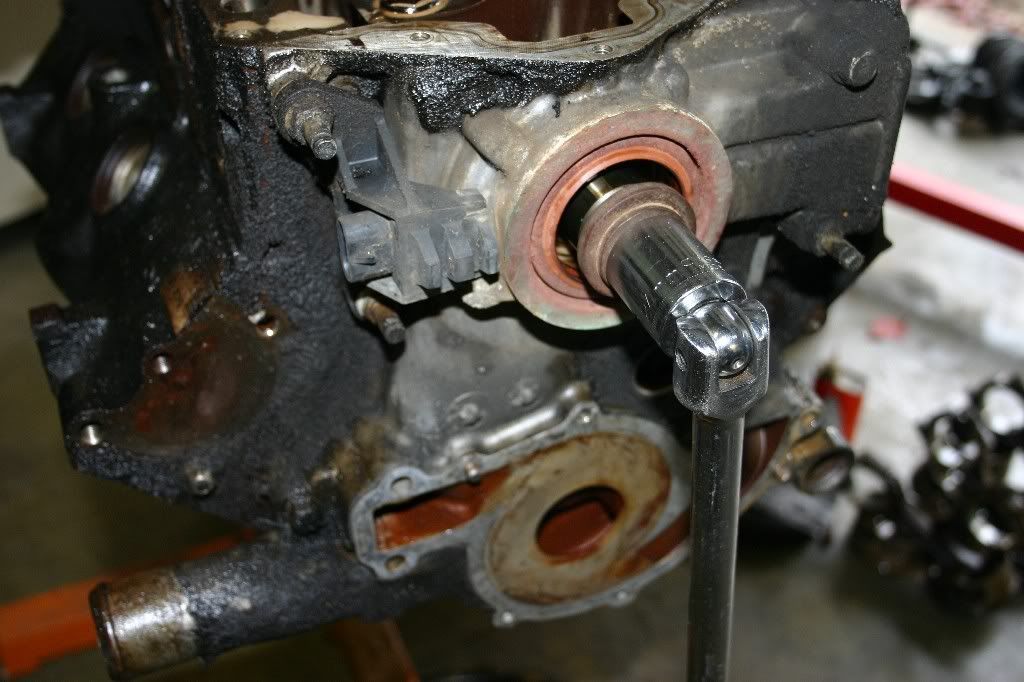
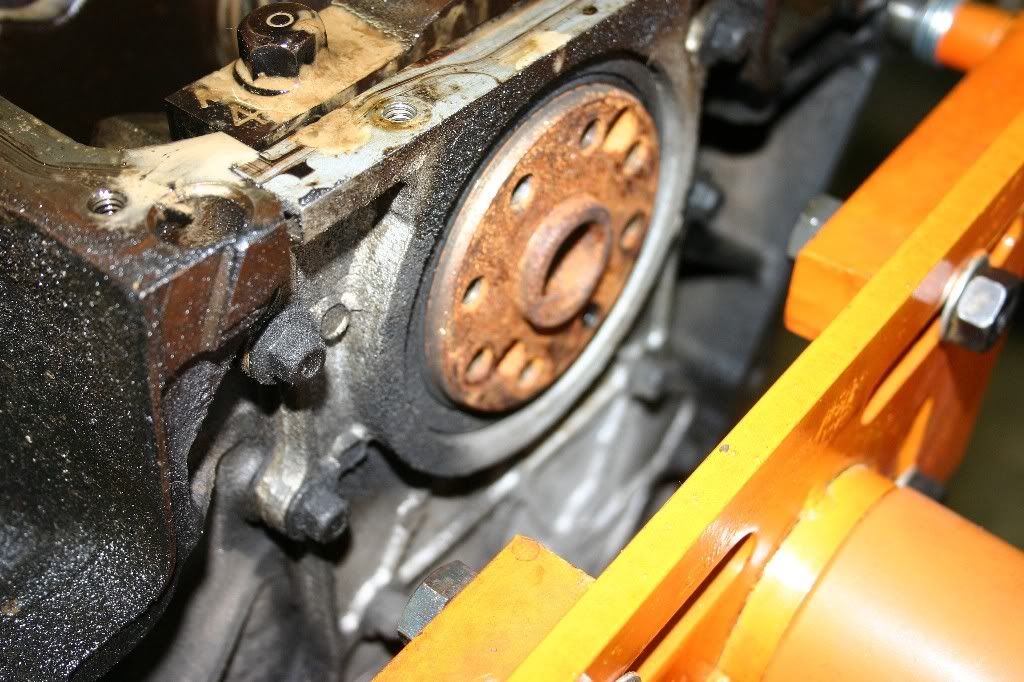
As to mounting the motor on an engine stand. You will need 12mm x1.75 bolts to connect the engine stand to the block. I'm using a mix of 90mm, 100mm, and 120mm bolts to do the job. Flat washer are also needed to keep the motor level on the stand, as bottom left transmission bolt (when viewed fro the rear of the motor) is set up with a locating dowel. The washers make up for the lack of the dowel on the other side of the motor.
Figured I would document this process for anyone who might be interested.
I'm starting with a 1996 Series II 3800 from a Pontiac Firebird (RPO Code L36). Purchased for $100. I'm not getting into the rational of why this is being done (please, none of the usual "you should go out and buy a L67.." stuff.) My intended purpose is to show anyone who may be interested what is actually inside the motor and how to take it apart and reassemble it, with some selective part substitution along to way to reconfigure it to a supercharged motor.
So, here's day one: The motor was partially disassembled when it was picked up, so there's not a lot to show taking off the intake manifold. The heads are easily removed, a 9mm socket is used to remove the rocker arms, while a 9/16th socket is used to remove the main cylinder head bolts. There are only two lengths..8 short bolts along the flange on the outside of the motor (4 per side) and 8 long bolts inside the valve cover area (again, 4 on each side.) I'll cover the cylinder heads in a little bit.
On this motor, the previous owner had loosened the head bolts before draining the coolant. The end result is the orange sludge showing inside cylinders 2 and 4 in the photo. While a dumb thing to do, it could have been worse. Had it been water left in the bores, it would have destroyed the cylinder walls and required an immediate overbore and larger pistons.
As it is, this motor will need to be disassembled to remove the rods and pistons and will probably need to have a new set of piston rings fitted at minimum.
Some differences between the RWD and FWD motors are evident as well. Note the position of the oil filter boss. That will need to be removed and replaced with one from a FWD 3800. Also note the oil pan shape, it has relief areas pressed into it for the F-Body K-Member and exhaust manifold Y-pipe.
As to mounting the motor on an engine stand. You will need 12mm x1.75 bolts to connect the engine stand to the block. I'm using a mix of 90mm, 100mm, and 120mm bolts to do the job. Flat washer are also needed to keep the motor level on the stand, as bottom left transmission bolt (when viewed fro the rear of the motor) is set up with a locating dowel. The washers make up for the lack of the dowel on the other side of the motor.