Re: Illustrated Rebuilding of a L67 from a L36
Posted: Sat May 24, 2008 1:35 pm
Originally Posted: Jan 20, 2007
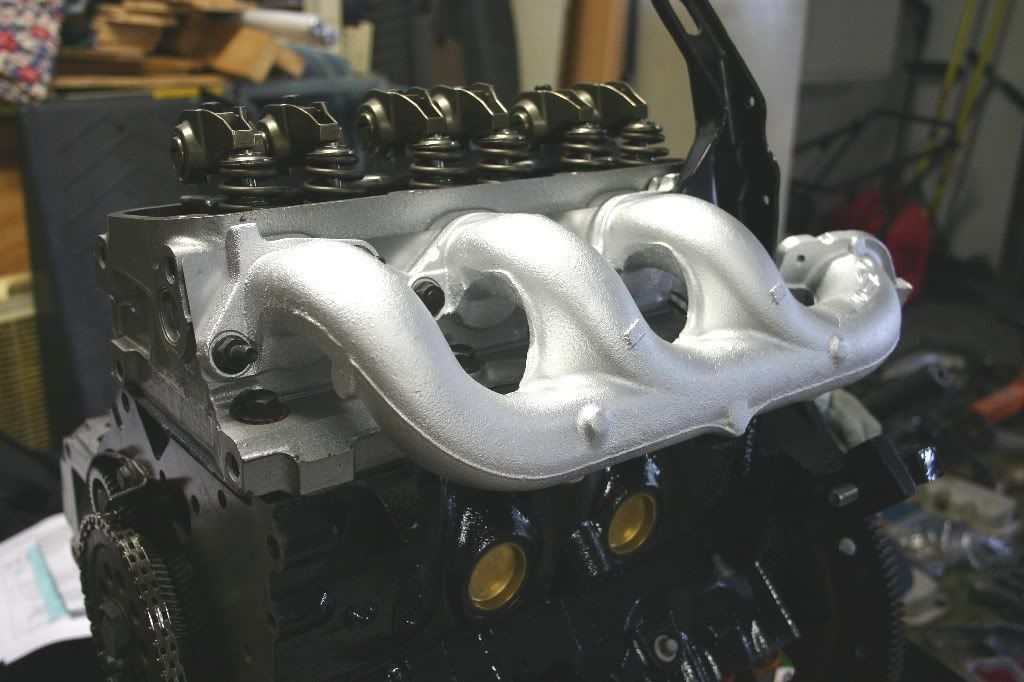
Took a little break from the narrative to assemble the second cylinder head. Also during the week, the rest of the L67 rods arrived along with all the bearings, gaskets, piston rings, etc. I spent today cleaning and inspecting the rods after removing the L67 pistons that came with them (They are STD bore pistons, so they are just going to get boxed up and set aside in case they are needed later on another motor.)
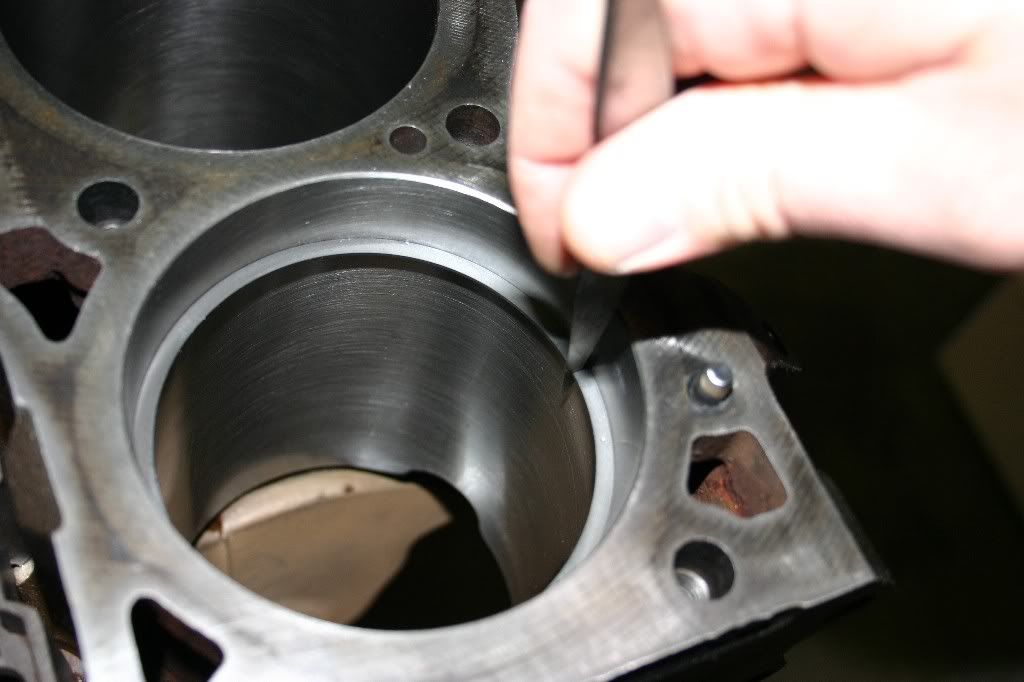
Now, here's a little photo to drive home the idea that you DO NOT use anything metal to pry on a machined surface.
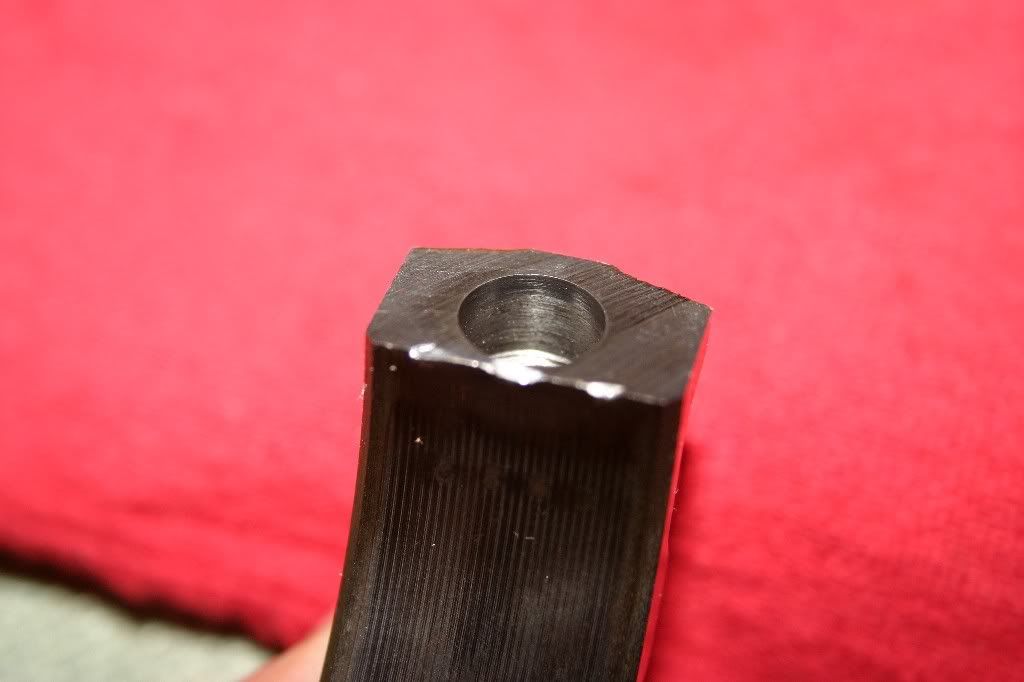
What you are looking at is the rod journal end of the connecting rod. Note the rough gouges in the machined surface, right by the rod bolt hole. That's what happens when you try to pry the rod cap off with a screwdriver. What the person who disassembled this motor should have done was back out the rod bolts a turn or two, then tap on them with a rubber mallet to pop the cap without damaging either the rod, or the crank.
Should you come across this, there are three ways to fix it: 1.) Pitch the rod in the trashcan and go get a new one. 2.) Break the sharp edge with a file, and live with the fact that the rod has a defect and may wear the bearing funny. 3.) Mill the rod to remove the damaged ends, refit the cap, and re-bore the main journal a larger size, using a thicker rod bearing to make up the extra clearance.
Of those solutions, #3 is the correct one to repair the rod. However, due to the cost of the rods, #1 is a viable option too.
Got a PM from Ed Morad (who sold me the rods) and he will be sending a replacement. Thanks Ed.
Now, gotta wait for the rod to get here before sending the crank off for balancing. Had a really good weight set going on the rods, with 689.5grams being the average, heaviest rod was 692 grams, lightest 688 grams. That's pretty consistent for a bunch of factory rods.
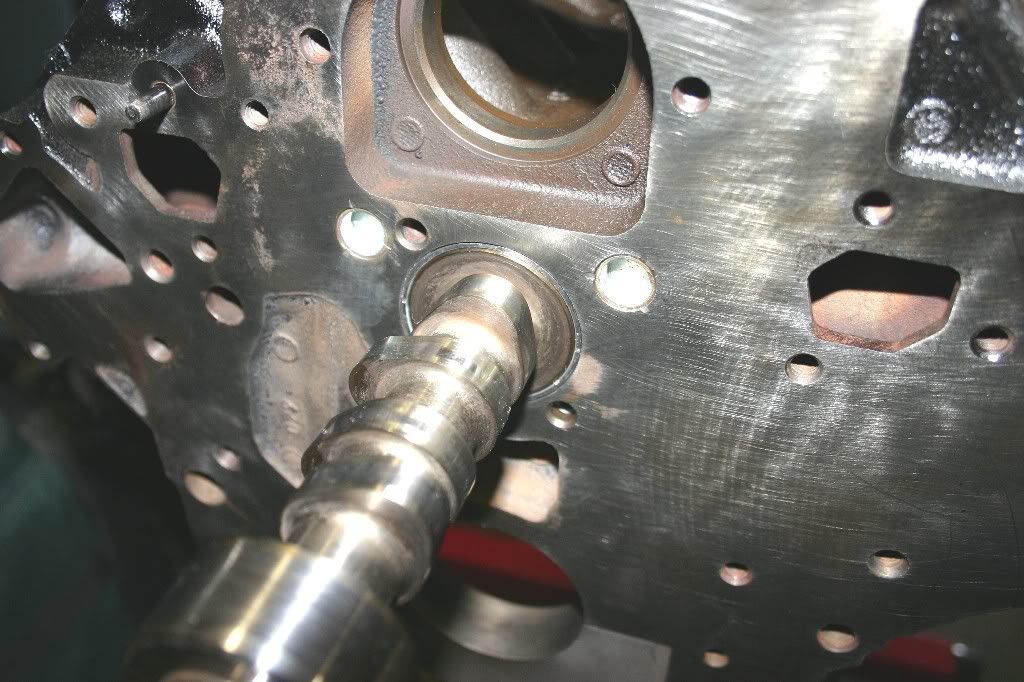
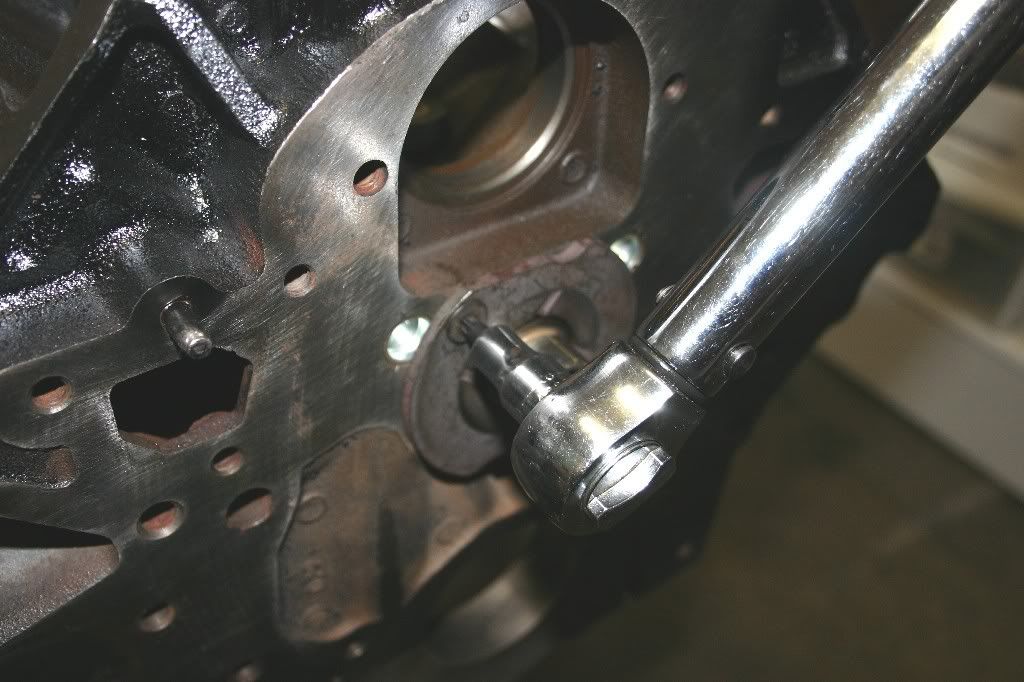
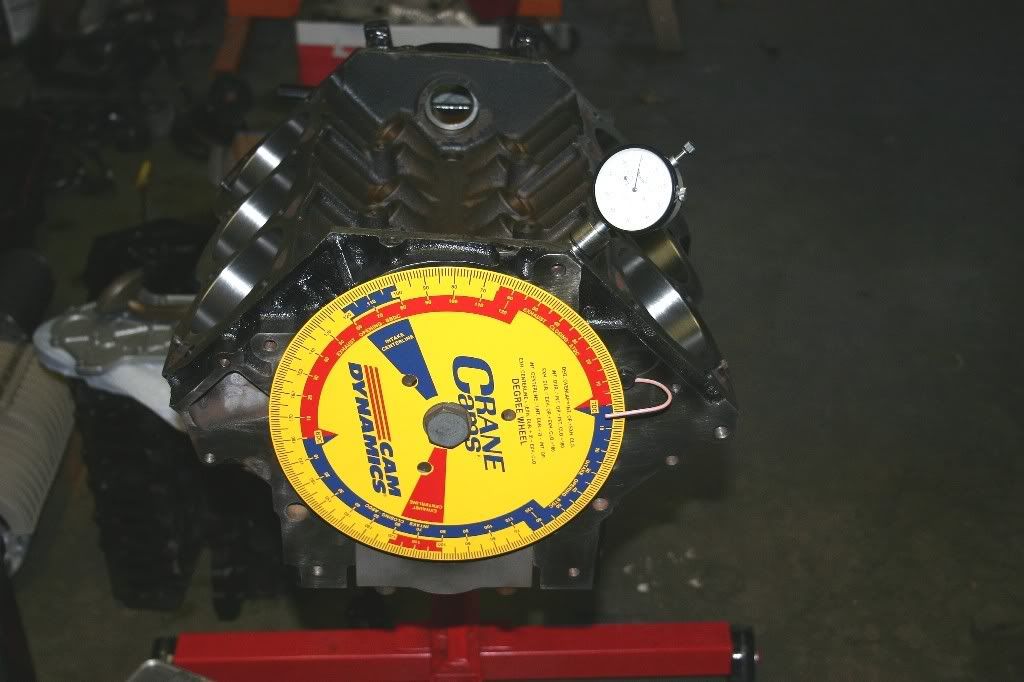
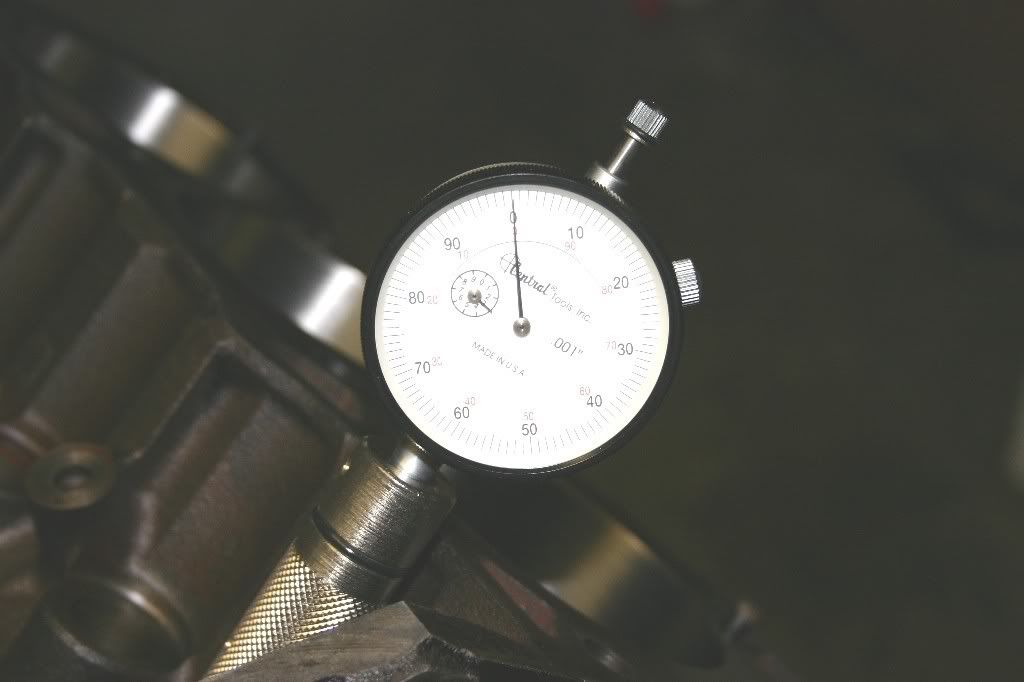
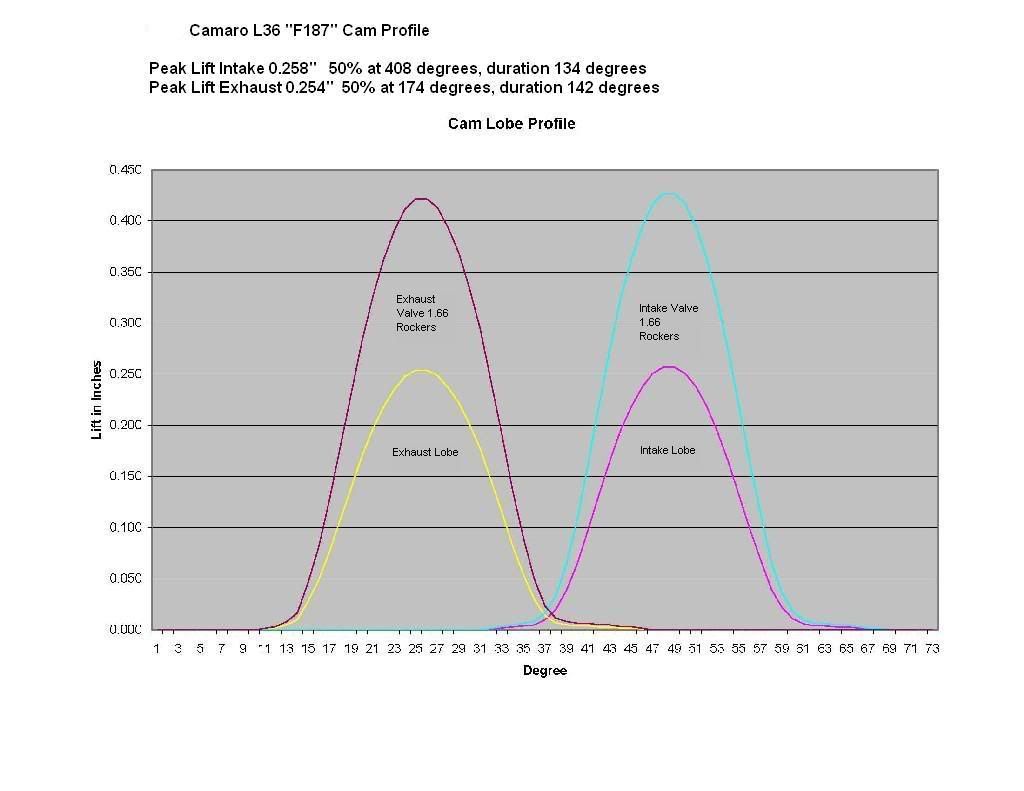
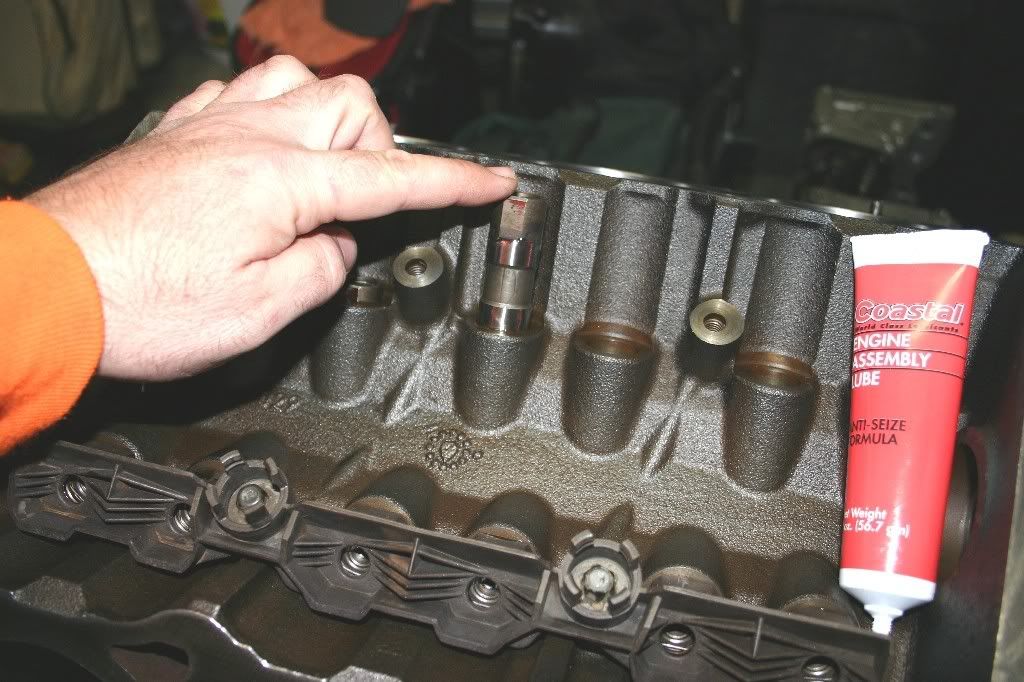
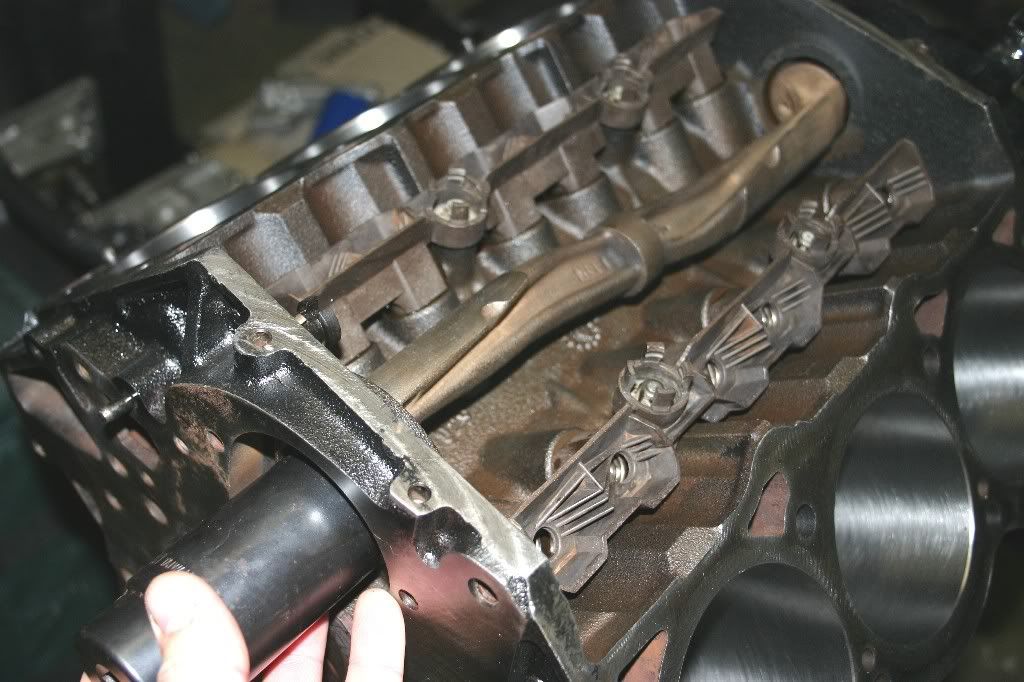
With that, I'll pick up tomorrow with installing the old cam, putting the crank in temporarily along with one connecting rod and piston, then going through checking the specs on the factory L36 camshaft with a dial gauge and degree wheel.
Took a little break from the narrative to assemble the second cylinder head. Also during the week, the rest of the L67 rods arrived along with all the bearings, gaskets, piston rings, etc. I spent today cleaning and inspecting the rods after removing the L67 pistons that came with them (They are STD bore pistons, so they are just going to get boxed up and set aside in case they are needed later on another motor.)
Now, here's a little photo to drive home the idea that you DO NOT use anything metal to pry on a machined surface.
What you are looking at is the rod journal end of the connecting rod. Note the rough gouges in the machined surface, right by the rod bolt hole. That's what happens when you try to pry the rod cap off with a screwdriver. What the person who disassembled this motor should have done was back out the rod bolts a turn or two, then tap on them with a rubber mallet to pop the cap without damaging either the rod, or the crank.
Should you come across this, there are three ways to fix it: 1.) Pitch the rod in the trashcan and go get a new one. 2.) Break the sharp edge with a file, and live with the fact that the rod has a defect and may wear the bearing funny. 3.) Mill the rod to remove the damaged ends, refit the cap, and re-bore the main journal a larger size, using a thicker rod bearing to make up the extra clearance.
Of those solutions, #3 is the correct one to repair the rod. However, due to the cost of the rods, #1 is a viable option too.
Got a PM from Ed Morad (who sold me the rods) and he will be sending a replacement. Thanks Ed.
Now, gotta wait for the rod to get here before sending the crank off for balancing. Had a really good weight set going on the rods, with 689.5grams being the average, heaviest rod was 692 grams, lightest 688 grams. That's pretty consistent for a bunch of factory rods.
With that, I'll pick up tomorrow with installing the old cam, putting the crank in temporarily along with one connecting rod and piston, then going through checking the specs on the factory L36 camshaft with a dial gauge and degree wheel.