88bonnsse wrote:i just remove the sender and put the mechanical gauge in its place.. then start the motor and check the pressure right away or wait for the car to warm up.. ? or start the car and rev the rpm to about 2000..?
Screw the mechanical gauge in, start the engine up, and watch it as it warms up. Oil will thin out as it gets hot, so it is normal to see a higher oil pressure in a cold engine. Once the engine warms up, the oil pressure will level off at idle. Then bring the engine speed up a little at a time and the oil pressure will follow up to the point where the bypass valve opens and starts dumping the excess oil into the pan.
On my '90 with 100K on the clock, the oil pressure on the cold engine runs 50psi...once the engine warms up it still runs 50psi...come to think of it, it nearly always runs 50psi, except on a really hot, humid day I might see 45psi at idle.... probably since the relief valve on mine opens near 50 psi and the pump's output is always higher than the valve's preset pressure. Mine's not a good example of anything other than how good the pump design on the 3800 is.

Following the rest of your question... if you really are seeing low pressure at the sender port, then the valve is the most likely cause and it can be replaced. Clean it first and see if the spring is kinked, busted, rusted, etc. You can buy a stock replacement one or get one from Intense that opens at a higher pressure. Reinstall the valve and the oil filter adapter and re-test to see if the pressure is normal with a new valve in place.
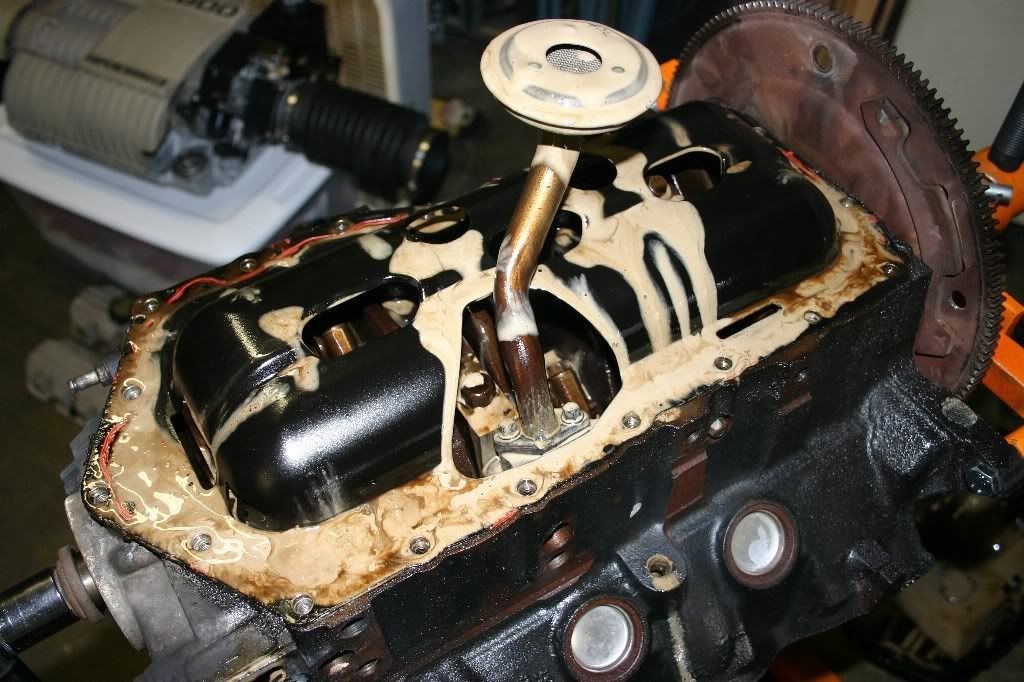
If that doesn't correct the problem, it's time to dig a little deeper into the motor by dropping the oil pan and checking the pickup tube and screen (like I detailed in the other post.)
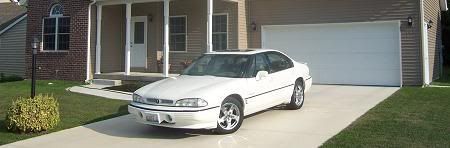
Bye Bye 1990 Bonneville LE... Now it belongs to my daughter
In the Garage: 2009 Subaru Outback, 1987 Camaro, 2006 SV650S, 1995 Regal 182 "ASANAGI", 1962 Ford Galaxie 500, 1995 Ford F150 XL 4WD, 1953 Farmall Cub